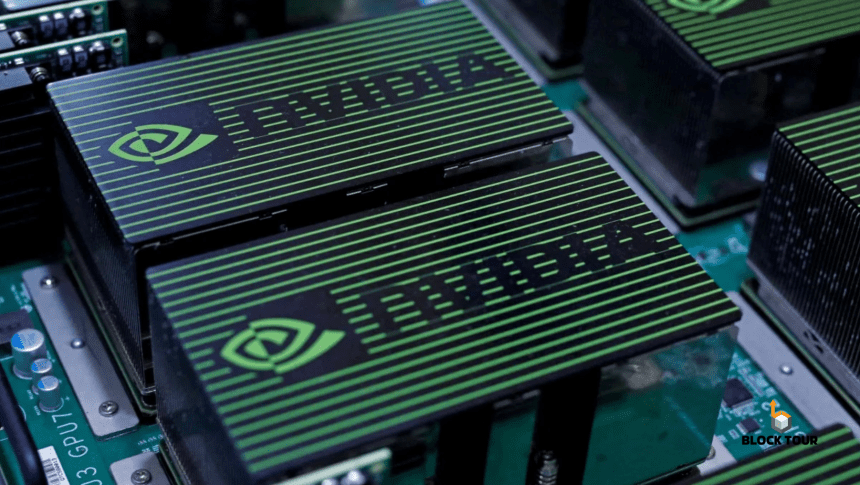
Despite US efforts to restrict access through export controls for the past year, Middle Eastern companies are finding ways to utilize Nvidia’s AI and graphics technology.
Qatari telecom group Ooredoo has struck a deal to be the first company in the Middle East to provide its clients with direct access to Nvidia’s AI and graphics technology, according to a Reuters report on June 24. This agreement will allow Ooredoo’s clients in Qatar, Algeria, Tunisia, Oman, Kuwait, and the Maldives to leverage Nvidia’s AI technology within their data centers.
According to the telecom company’s CEO Aziz Aluthman Fakhroo, this agreement makes them the first company in the Middle East to offer clients direct access to Nvidia’s cutting-edge AI and graphics technology. This could give Ooredoo’s customers a lead of 18 to 24 months over their competitors.
While the specific Nvidia technology and the deal’s financial terms haven’t been disclosed, the installation will depend on both customer needs and available technology.
To support this initiative, Ooredoo plans a significant investment of over $1 billion to expand its regional data center capacity by 20-25 megawatts, adding to the existing 40 megawatts. Fakhroo even has ambitions to triple the data center’s capacity by the end of the decade.
Moreover, as per Ronnie Vasishta, senior vice president of telecom at Nvidia, their technology will empower Ooredoo’s clients to leverage “generative AI applications,” which are programs that can create entirely new content, like images or text. This could be a major boost for Ooredoo’s clients in various fields.
This deal comes after the U.S. tightened export controls in August 2023, aiming to curb access for Chinese companies through certain Middle Eastern countries.
It’s worth noting that Nvidia currently dominates the market for sophisticated AI chips used in high-end data centers globally, holding an estimated 80% market share. This deal secures Ooredoo’s access to this leading-edge technology, despite the regional limitations.