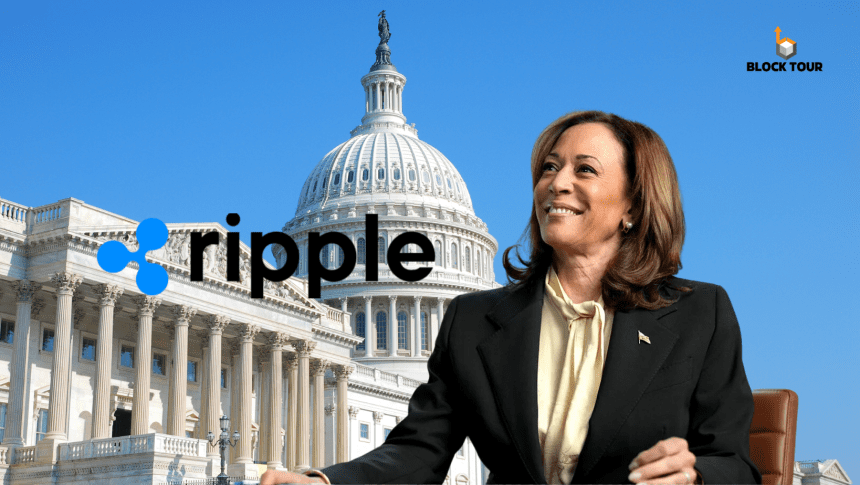
The US Vice President Kamala Harris just won massive crypto brownie points.
In the latest crypto news, Chris Larsen, the co-founder and executive chairman of Ripple, is among several high-profile business leaders endorsing VP Harris for the 2024 presidential election.
A CNBC report from September 6 showed Larsen’s name alongside 87 other prominent figures in the business world, including Aaron Levie, CEO of Box, Yelp CEO Jeremy Stoppelman, Snap Chairman Michael Lynton, and former 21st Century Fox CEO James Murdoch.
The backing of Harris by Ripple’s leadership is not new to the 2024 race.
In early August, Gene Sperling, a former Ripple board member who has also served as an economic adviser under Presidents Bill Clinton, Barack Obama, and Joe Biden, left his White House role to join Harris’ campaign.
Sperling’s move underscores the growing intersection between the crypto industry and the political landscape. He’s joined by David Plouffe, who previously advised Binance and Alchemy Pay, and has also aligned with Harris’ campaign.
Ripple’s connections to U.S. politics extend beyond endorsements. CEO Brad Garlinghouse has previously predicted that SEC Chair Gary Gensler would step down following the election, regardless of the winner.
This speculation comes as many in the crypto world anticipate the 2024 election will heavily influence regulations impacting the industry. In fact, Ripple was recently approached for comment on these endorsements, but no official statement was made at the time of publication.
Harris is not alone in this race—Former President Donald Trump, a known advocate of cryptocurrencies, has promised to “make America the world capital of crypto and Bitcoin” if re-elected.
Moreover, Trump has already garnered support from influential crypto figures, including ARK Invest CEO Cathie Wood and Gemini co-founders Cameron and Tyler Winklevoss, the latter pledging $1 million in Bitcoin to Trump’s re-election campaign.
As the race heats up, it’s clear that key players in the crypto space are aligning with candidates they believe will support the industry’s growth, signaling a new chapter in the relationship between U.S. politics and the digital economy.