The shift from a Conservative-led government to a Labour administration in the United Kingdom has sparked curiosity about Prime Minister Keir Starmer’s plans for the country’s Bitcoin holdings.
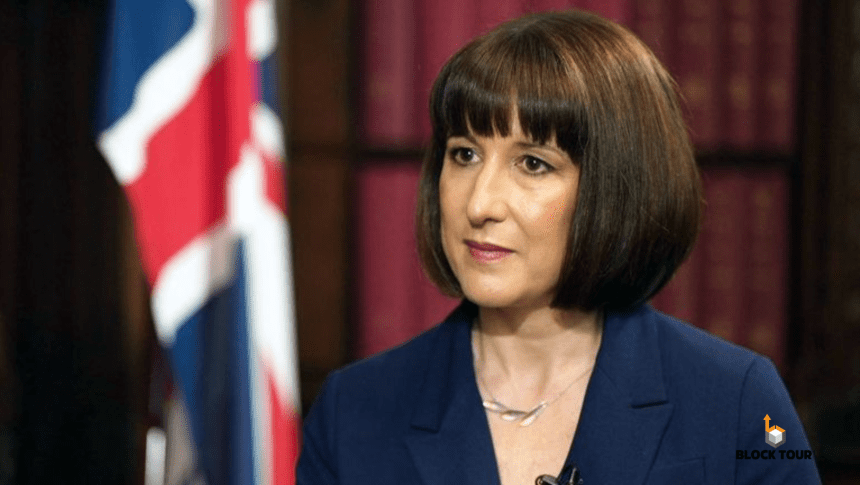
Data from the crypto intelligence platform Arkham reveals that, as of July 19, the UK government held approximately 61,245 Bitcoin, valued at over $4 billion. The newly appointed Chancellor of the Exchequer, Rachel Reeves, probably has the authority to allocate these funds, the majority of which were confiscated in a money laundering case involving hospitality worker Jian Wen.
Despite potential bureaucratic challenges, Reeves may consider liquidating the Bitcoin holdings as part of the Labour government’s strategy to promote economic stability and growth. In a policy statement delivered by King Charles III on July 17, Labour indicated a focus on building affordable housing and improving the nation’s rail system.
Prime Minister Starmer has remained largely silent on cryptocurrency as a Labour policy objective, though his government introduced 40 bills on July 17 as part of the King’s speech. Tulip Siddiq, previously the Shadow City Minister and Shadow Economic Secretary before the July 4 election, had expressed intentions to tighten crypto regulations.
With over 61,000 BTC, the UK holds one of the largest Bitcoin reserves among world governments, second only to the United States. Recently, the German government liquidated its 49,858 BTC holdings through several transactions in June and July, earning approximately $2.8 billion. Germany’s plans for these funds remain unclear.
The timing of events in the crypto market could influence Reeves’ decision on whether or when to sell. Analysts suggest the US presidential election could positively impact crypto markets, while payouts from previously frozen BTC holdings at Mt. Gox could cause Bitcoin’s price to drop.